 Call Us:
  Mail Us:


How to Calibrate a Manual Torque Wrench for Automotive Assembly
 By Admin |
  June 25th, 2026
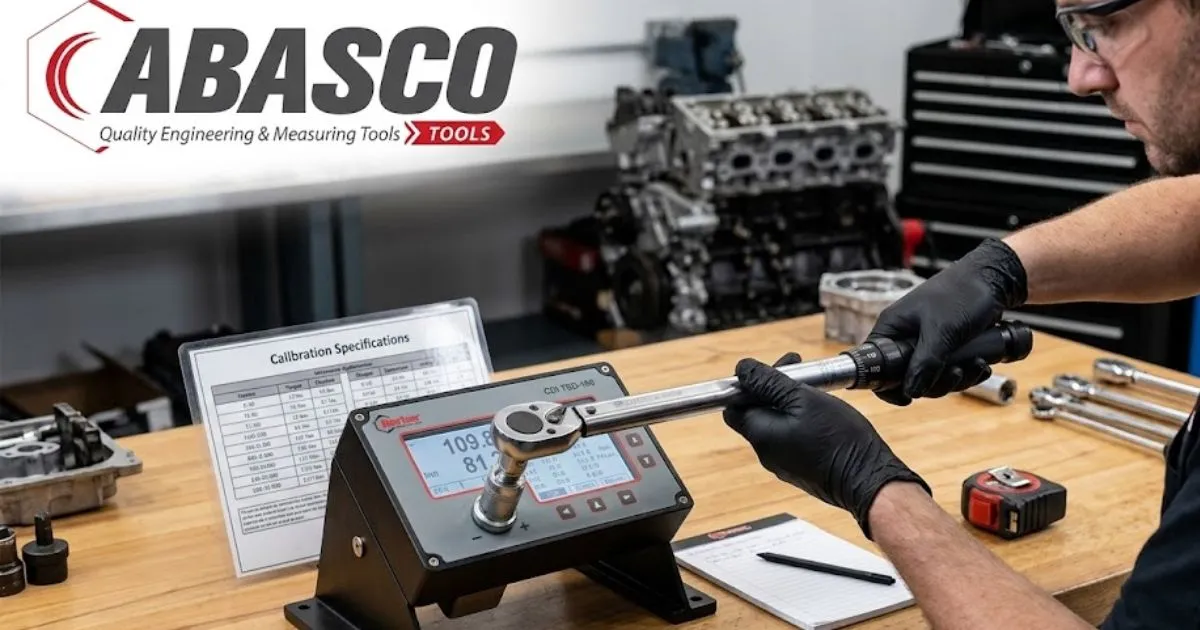
In automotive assembly, precision is everything. From engine blocks and cylinder heads to wheel nuts and suspension components, every fastener must be tightened to the correct torque. This is where a manual torque wrench becomes indispensable. However, even the best torque wrench can lose accuracy over time due to regular use, accidental drops, or improper storage. That is why calibration is not just recommended; it is essential.
Properly calibrating a manual torque wrench ensures consistent torque delivery, prevents component failure, and maintains safety standards in automotive work. Whether you are a professional mechanic or a workshop owner, understanding the calibration process can significantly improve assembly accuracy and equipment reliability. This guide will break down the complete calibration procedure of a manual torque wrench to help you understand how accurate torque settings are achieved. Are you searching for premium manual torque tools that deliver unmatched precision, durability, and performance? Look no further and contact Abasco Tools, a reputable manufacturer of manual torque wrenches in UAE.
Why Torque Wrench Calibration Matters
A torque wrench is designed to apply a particular amount of torque to a fastener. If the wrench is not calibrated correctly, bolts may become under-tightened or over-tightened. In automotive assembly, both situations can lead to severe consequences, including damaged threads, warped components, oil leaks, brake failure, or even engine damage.
Regular calibration helps maintain tool accuracy within acceptable industry tolerances. Most manufacturers therefore recommend calibration after every 5,000 cycles or every 12 months, depending on usage frequency.
Signs Your Torque Wrench Needs Calibration
Before beginning the calibration process, it is important to identify warning signs that indicate possible inaccuracy. Some common indicators include:
- Inconsistent tightening results
- A slipping or sticking adjustment mechanism
- Unusual clicking sounds
- The wrench was dropped accidentally
- Visible wear or corrosion
- Failed torque verification during inspections
Ignoring these signs can compromise the quality and safety of automotive assembly work.
Tools Required for Calibration
To calibrate a manual torque wrench effectively, you will need:
- A torque calibration tester or torque analyser
- Bench vice
- Calibration weights or certified load equipment
- Measuring tape
- Manufacturer’s calibration specifications
- Protective gloves and safety equipment
Professional workshops often use digital torque analysers for highly accurate readings. Many technicians also prefer to source reliable tools and calibration equipment from a trusted dial torque wrench supplier in Dubai UAE, to ensure precision, durability, and consistent performance during calibration procedures.
Step-by-Step Calibration Process of a Manual Torque Wrench
Below is a detailed step-by-step guide for accurately calibrating a manual torque wrench.
- Inspect the Torque Wrench: Start by checking the wrench for visible damage, rust, cracks, or worn-out components. Ensure the ratchet mechanism operates smoothly and the scale markings remain readable.
- Secure the Wrench: Mount the square drive of the torque wrench firmly into a bench vice or calibration fixture. Ensure it is held securely without damaging the tool.
- Set the Desired Torque Value: Adjust the wrench to a known torque setting, typically around 20% to 60% of its full capacity. This range can provide the most accurate testing conditions.
- Apply Force Gradually: Using the torque analyser or calibration weights, apply force slowly and steadily until the wrench clicks. Compare the reading from the analyser with the torque value set on the wrench.
- Check Accuracy: Most manual torque wrenches should remain within ±4% accuracy for clockwise operation. If the reading falls outside this tolerance, adjustments are required.
- Adjust the Calibration: Some manual torque wrenches include internal adjustment screws. Hence, it’s important to carefully adjust the calibration mechanism according to the manufacturer’s instructions and retest until accurate readings are achieved.
- Record the Results: Document the calibration date, readings, adjustments, and technician details. Maintaining calibration records is essential for quality assurance and workshop compliance.
The Final Words
In summary, accurate torque wrench calibration is essential for achieving precision, safety, and long-term reliability in automotive assembly. Regular maintenance cannot only improve performance but also prevent costly mechanical failures. So, if you are looking for dependable, high-quality torque tools engineered for professional accuracy, Abasco Tools offers reliable solutions designed to meet demanding industrial and automotive standards. Contact Abasco Tools, a leading digital torque wrench supplier in Dubai UAE, and upgrade your workshop efficiency with precision tools you can trust.
Related Posts








Recent Posts
Popular Posts

Categories
Tags

Join the League of Craftsmen
Contact UsGet In Touch
Find us on Facebook
