 Call Us:
  Mail Us:


Ultrasonic Thickness Gauges: Practical Applications in Heavy Engineering
 By Admin |
  July 9th, 2026
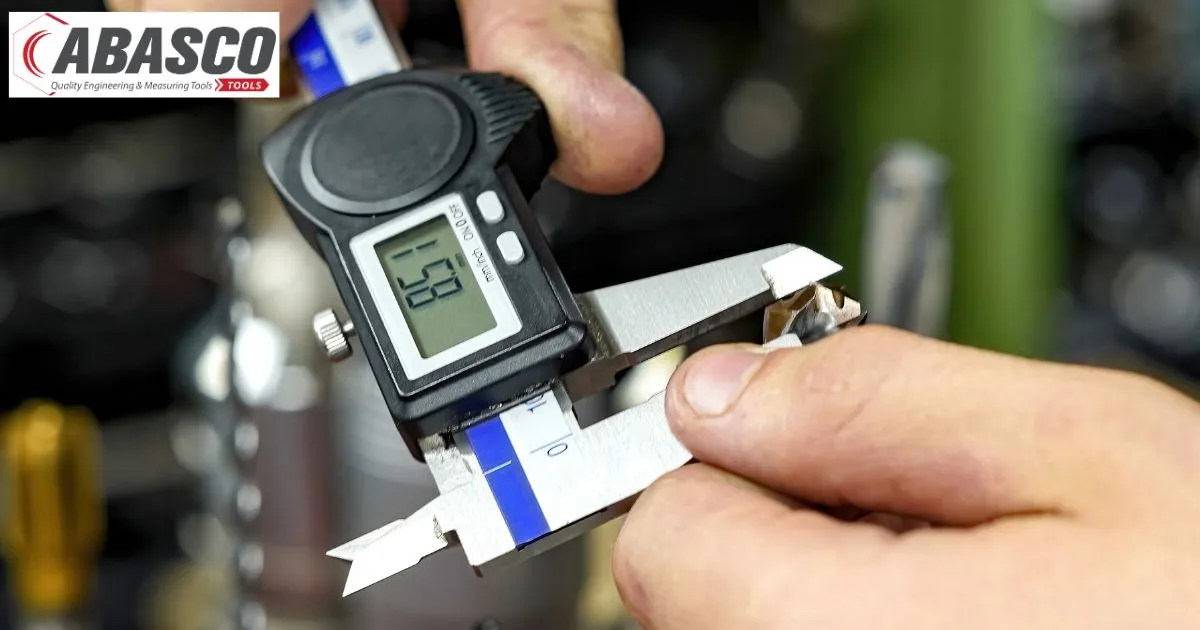
Heavy engineering is built on strength, precision, and safety. Whether it’s a refinery pipeline, a ship’s hull, a pressure vessel, or structural steel, every component must maintain its integrity to perform reliably. But do you know that even the strongest metals gradually become thinner due to corrosion, erosion, and continuous wear? This is where ultrasonic thickness gauges become one of the most valuable inspection tools in the industry.
Likewise, partnering with a firm joint calliper supplier in Dubai UAE, ensures industries have access to reliable precision measuring tools that support accurate inspections and quality control across demanding engineering applications. Unlike traditional measurement methods that often require cutting, dismantling, or damaging a component, ultrasonic thickness gauges offer a quick, accurate, and completely non-destructive solution. They allow engineers and maintenance teams to monitor material thickness without interrupting operations, making them indispensable in heavy engineering.
What is an Ultrasonic Thickness Gauge?
An ultrasonic thickness gauge is a precision instrument that measures the thickness of solid materials using high-frequency sound waves. The device sends an ultrasonic pulse into the component, which reflects from the opposite surface. By calculating the travel time of the sound wave, the gauge accurately determines the material’s thickness.
The best part? Measurements can often be taken from just one accessible side of the object, making inspections faster and more practical in challenging industrial environments.
Why Heavy Engineering Depends on Ultrasonic Thickness Gauges
Many of us are unaware that corrosion often starts from the inside of pipes, tanks, and vessels, making it nearly impossible to detect through visual inspection alone. Ultrasonic thickness gauges help uncover hidden material loss long before it becomes a costly or dangerous problem. Looking for high-quality precision measuring tools at a competitive price? Connect with a trusted taper gauge supplier in Dubai UAE, to get the best solutions. Some major advantages of using ultrasonic thickness gauges include:
- Non-destructive and non-invasive inspections
- Highly accurate thickness measurements
- Fast data collection with minimal downtime
- Easy access to hard-to-reach areas
- Reduced maintenance costs through early defect detection
These benefits help industries maintain operational efficiency while meeting strict safety and quality standards.
Practical Applications of Ultrasonic Thickness Gauges in Heavy Engineering
Below are some of the key applications where ultrasonic thickness gauges play a vital role in heavy engineering.
Pipeline Inspection
Pipelines transporting oil, gas, chemicals, and water experience continuous internal corrosion and erosion. Ultrasonic thickness gauges enable technicians to identify thinning pipe walls before leaks or failures occur, helping prevent environmental damage and expensive repairs.
Pressure Vessels and Storage Tanks
Pressure vessels operate under demanding conditions where even minor wall loss can compromise safety. Hence, regular thickness monitoring helps maintenance teams verify structural integrity, schedule timely repairs, and comply with industry regulations. Get in touch with a renowned Mitutoyo distributor in Dubai UAE, to source a premium-grade ultrasonic thickness gauge at a reasonable price.
Shipbuilding and Marine Maintenance
Marine environments accelerate corrosion due to constant exposure to saltwater. Ultrasonic thickness gauges are widely used to inspect ship hulls, cargo tanks, and offshore platforms, ensuring vessels remain seaworthy and structurally sound.
Structural Steel Inspection
Bridges, industrial plants, factories, and heavy machinery rely on robust steel structures. Routine thickness measurements help engineers detect hidden deterioration before it affects overall stability or load-bearing capacity.
Manufacturing and Fabrication
Quality control is essential during manufacturing. Ultrasonic thickness gauges verify that metal sheets, plates, castings, and fabricated components meet required specifications without damaging finished products, improving consistency and reducing waste.
Choosing the Right Ultrasonic Thickness Gauge
Not every industrial application requires the same type of gauge. Factors such as material type, coating thickness, measurement range, operating environment, and required accuracy should guide your selection. Therefore, choosing a reliable, high-performance industrial inspection instrument ensures dependable readings and long-term productivity.
The Final Thoughts
In heavy engineering, preventing failures is always more cost-effective than repairing them. Ultrasonic thickness gauges provide the accurate, non-destructive measurements needed to detect hidden corrosion, monitor equipment health, and extend the lifespan of valuable industrial assets. As industries continue to prioritise safety, efficiency, and predictive maintenance, these advanced inspection tools have become an essential investment rather than an optional accessory.
Looking for dependable ultrasonic thickness gauges and other professional-grade industrial tools? Abasco Tools, a leading Mitutoyo original spare parts supplier in Dubai UAE, offers a comprehensive range of high-quality inspection and measuring equipment designed to deliver precision, durability, and performance. So, explore the trusted solutions from Abasco Tools today and equip your projects with tools that keep your operations running safely and efficiently.
Related Posts







Recent Posts
Popular Posts

Categories
Tags
Join the League of Craftsmen
Contact UsGet In Touch
Find us on Facebook
