 Call Us:
  Mail Us:


The Ultimate Guide to Using Precision Gauge Blocks for QA Testing
 By Admin |
  July 4th, 2026
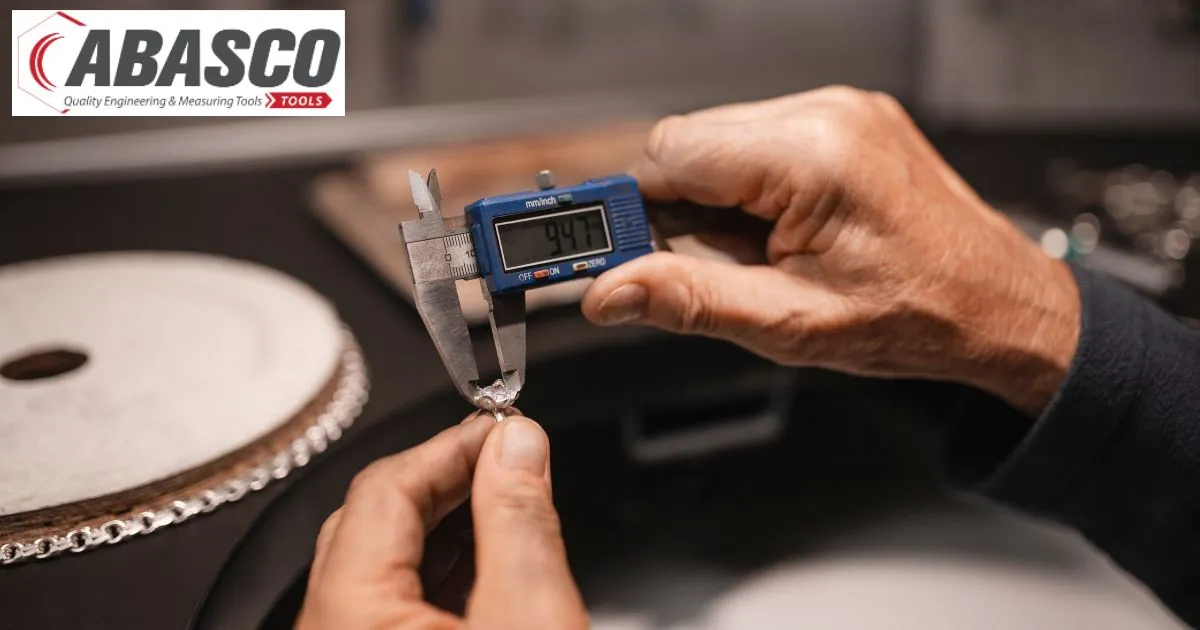
When it comes to quality assurance (QA), even the smallest measurement error can lead to costly defects, rejected products, and dissatisfied customers. We all know that accuracy is the foundation of every successful manufacturing process. But do you know what helps industries achieve such remarkable precision? One of the most trusted tools is the precision gauge block.
These simple-looking metal or ceramic blocks play a crucial role in ensuring measurement accuracy across industries such as automotive, aerospace, engineering, electronics, and precision machining. This is why businesses often rely on trusted tool suppliers in Dubai UAE, to source high-quality precision measuring instruments that deliver reliable, consistent performance. Let’s explore everything you need to know about precision gauge blocks and why they are indispensable for QA testing.
What Are Precision Gauge Blocks?
Precision gauge blocks, also known as slip gauges or Jo blocks, are highly accurate measuring standards manufactured with exceptionally flat and parallel surfaces. Each block is produced to an exact length, allowing technicians to stack multiple blocks together to create precise dimensions for calibration and inspection. These blocks serve as reference standards for verifying measuring instruments, ensuring every component produced meets exact specifications.
Why Are Precision Gauge Blocks Essential for QA Testing?
Many of us are unaware that quality assurance is all about consistency. If measuring equipment provides inaccurate readings, production quality suffers. Precision gauge blocks help eliminate this risk by providing a dependable standard for calibration. Some major advantages of using precision gauge blocks include:
- Exceptional dimensional accuracy
- Reliable calibration of precision instruments
- Improved product consistency
- Reduced manufacturing errors
- Compliance with international quality standards
- Increased customer confidence
In industries where tolerances are measured in microns, precision gauge blocks become an absolute necessity.
Common Applications across Industries
Precision gauge blocks serve a wide range of quality control applications, including the following:
- Calibrating Measuring Instruments: They are commonly used to calibrate micrometres, dial indicators, digital callipers, height gauges, and coordinate measuring machines (CMMs), ensuring every measurement remains accurate.
- Machine Setup: Before machining begins, operators use gauge blocks to verify machine positioning and maintain dimensional accuracy throughout production.
- Inspection and Testing: QA professionals compare finished components against predetermined dimensions using gauge blocks, helping detect deviations before products reach customers.
- Laboratory Standards: Metrology laboratories rely on gauge blocks as certified reference standards for maintaining traceable measurements.
Choosing the Right Precision Gauge Blocks
Selecting the right gauge block depends on your application and required accuracy. So, before making your decision, keep these key factors in mind:
- Material: Steel offers durability, carbide provides superior wear resistance, while ceramic resists corrosion and temperature changes.
- Accuracy Grade: Different grades suit workshop inspections, calibration labs, or high-precision metrology.
- Block Set Size: Larger sets provide greater flexibility for creating various measurement combinations.
- Certification: Always choose certified gauge blocks for reliable QA processes.
Choosing the appropriate set ensures long-term measurement accuracy and operational efficiency.
Best Practices for Maximum Accuracy
Even the highest-quality gauge blocks require proper handling. To maintain their performance:
- Clean surfaces before and after every use.
- Avoid touching measuring faces with bare hands.
- Store blocks in protective cases to prevent damage.
- Apply anti-corrosion oil to steel blocks after use.
- Periodically recalibrate according to industry standards.
- Handle blocks carefully to avoid scratches or impact damage.
Proper maintenance significantly extends the life of your gauge blocks while preserving their exceptional accuracy.
The Bottom Line
Precision gauge blocks may appear simple, but they are among the most valuable tools in any quality assurance laboratory or manufacturing facility. From calibrating measuring instruments to validating production accuracy, they ensure every measurement can be trusted. In today’s competitive manufacturing landscape, precision isn’t just an advantage; it’s a requirement.
If you’re looking for premium-quality precision gauge blocks and reliable industrial measuring solutions, Abasco Tools is your trusted partner. With a commitment to superior quality, durability, and accuracy, we at Abasco Tools help businesses achieve higher inspection standards and greater manufacturing confidence. So, upgrade your quality assurance process today with one of the best vernier calliper supplier in UAE and experience precision you can rely on because every micron matters.
Related Posts



Recent Posts
Popular Posts

Categories

Join the League of Craftsmen
Contact UsGet In Touch
Find us on Facebook
