 Call Us:
  Mail Us:


5 Warning Signs It’s Time to Replace Your Industrial Hand Tools
 By Admin |
  June 16th, 2026
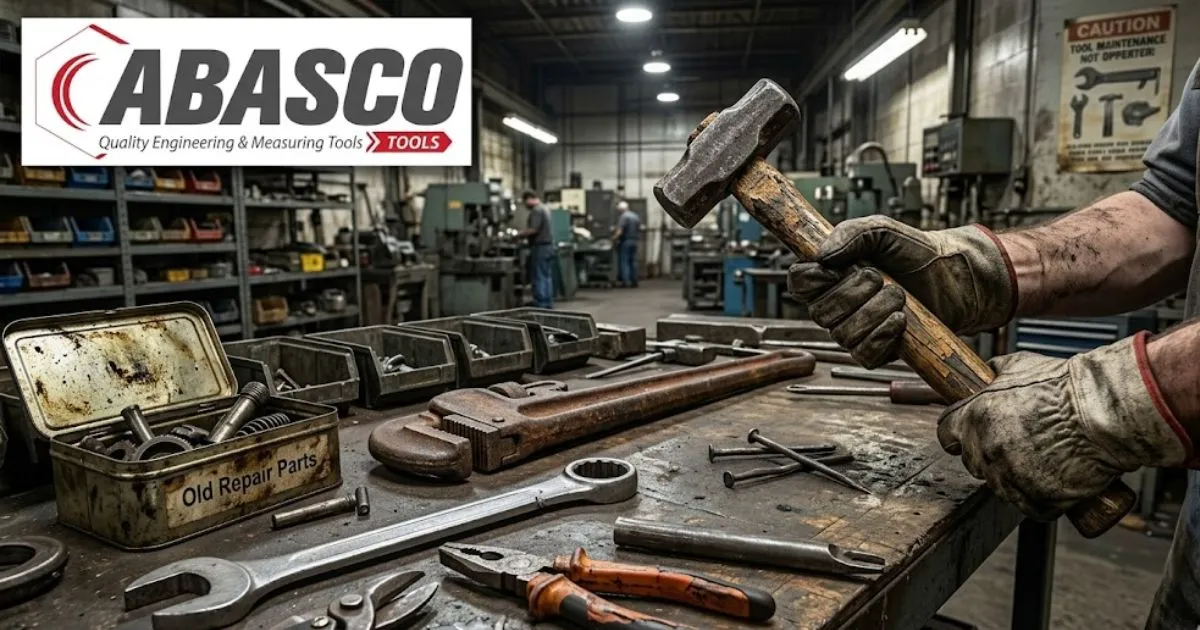
Industrial hand tools are the backbone of workshops, factories, warehouses, and construction sites. From tightening bolts to cutting materials with precision, these tools can handle demanding tasks every single day. However, even the most durable tools can have a lifespan. Continuing to use worn-out or damaged tools can reduce efficiency, compromise safety, and even lead to costly workplace accidents. This is why industries today prefer partnering with a dependable hand tools supplier in UAE to ensure access to durable, high-performance tools designed for demanding industrial environments.
Many professionals delay replacing tools because they still appear “usable.” However, industrial environments require reliability, precision, and safety above everything else. Hence, recognising the early warning signs can save both time and money while enhancing overall productivity.
Why Replacing Worn-Out Industrial Hand Tools Matters
Here are five major signs that indicate it’s time to replace your industrial hand tools.
Visible Wear, Cracks or Rust
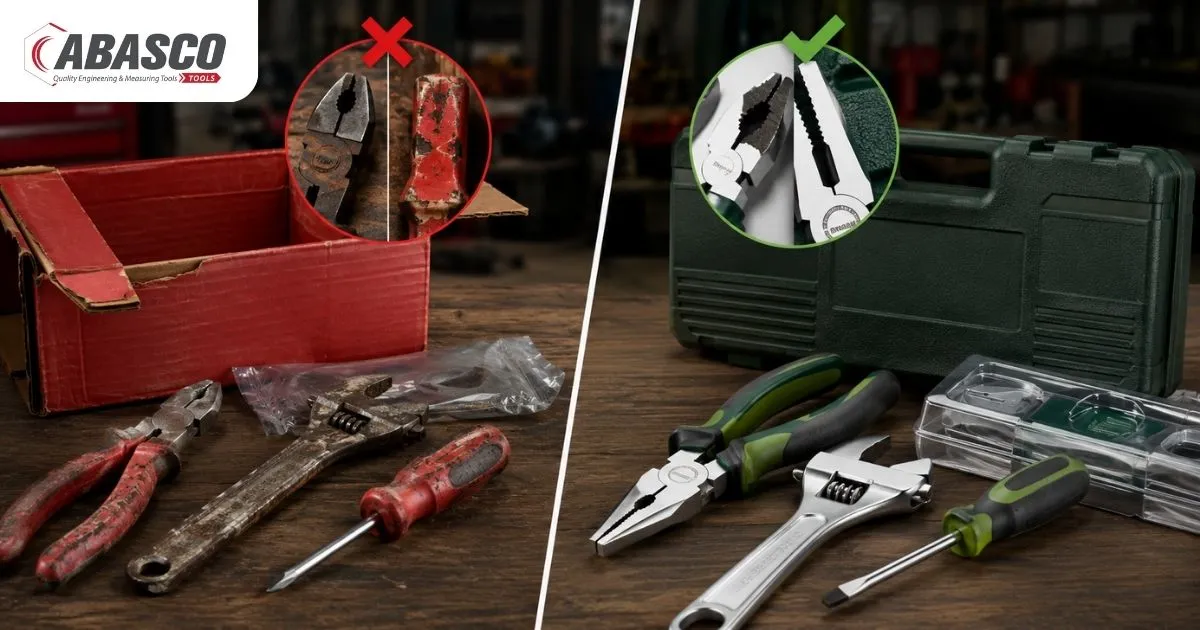
The most obvious sign of tool failure is physical damage. Therefore, cracks, chipped edges, bent handles, or rust formation should never be ignored. Over time, exposure to moisture, chemicals, heat, and heavy usage can weaken the structural integrity of tools. For example, a cracked wrench may suddenly snap under pressure, while rusted pliers can lose grip strength and precision. Even minor corrosion can affect the performance of cutting tools and fasteners.
For this reason, regular inspections are essential in industrial settings. If a tool shows deep rust, fractures, or deformation, replacement is often safer and more cost-effective than repair.
Reduced Performance and Efficiency
We are all aware that industrial work depends heavily on speed and accuracy. When a tool no longer performs efficiently, it can slow down operations and affect workflow. A screwdriver that slips repeatedly, a dull cutting blade, or a hammer with a loose head can significantly reduce productivity. Therefore, workers may need to apply extra force to complete simple tasks, increasing fatigue and lowering precision.
Performance decline is often gradual, which is why many teams fail to notice it immediately. Comparing older tools with newer ones can reveal a surprising difference in efficiency. If tools are no longer delivering consistent results, replacement can become necessary.
Frequent Repairs and Maintenance
Every industrial tool requires maintenance, but excessive repairs are a clear warning sign. Constant sharpening, tightening, lubrication, or part replacement may indicate that the tool has reached the end of its usable life. In many cases, companies continue repairing tools to save money. However, repeated maintenance expenses can eventually exceed the cost of purchasing new, high-quality replacements.
More importantly, temporary fixes may not fully restore safety or performance. A repaired tool can fail unexpectedly during critical operations, creating serious workplace hazards. Therefore, investing in reliable replacements often proves more economical in the long run.
Poor Grip and Operator Discomfort
Do you know that ergonomics plays a crucial role in industrial environments? Hand tools with worn grips, damaged insulation, or loose handles can make work uncomfortable and unsafe. If workers experience hand strain, slipping, or reduced control while using a tool, the problem should be addressed immediately. Damaged grips not only can affect comfort but also increase the likelihood of accidents and repetitive stress injuries.
Modern industrial hand tools are designed with improved ergonomics to reduce fatigue and enhance handling. Hence, replacing outdated tools with ergonomically advanced alternatives can enhance both worker safety and productivity.
Failure to Meet Current Safety Standards
Many of us are unaware that industrial safety standards evolve continuously. Older tools may no longer comply with updated workplace regulations or industry requirements. For instance, insulated tools used in electrical work must meet strict safety certifications. Similarly, outdated cutting or fastening tools may lack modern protective features that reduce operational risks.
Therefore, using non-compliant tools can expose businesses to legal liabilities, failed inspections, and workplace accidents. Replacing obsolete equipment, on the other hand, ensures compliance while developing a safer working environment for employees.
The Conclusion
Industrial hand tools directly impact workplace safety, efficiency, and performance. Hence, ignoring warning signs such as wear, reduced precision, or frequent repairs can lead to costly downtime and serious risks. Investing in high-quality replacements at the right time can ensure smoother operations and long-term reliability. So, if you are looking for durable, precision-engineered, and industry-trusted solutions, Abasco Tools offers a wide range of industrial hand tools designed for demanding environments. Contact Abasco Tools, the best tools suppliers in Dubai UAE, and experience the perfect combination of strength, safety, and professional-grade performance for every industrial task.
Related Posts
Recent Posts
Popular Posts

Categories
Tags
Join the League of Craftsmen
Contact UsGet In Touch
Find us on Facebook
