 Call Us:
  Mail Us:


Safety Measure Tips and Practices for Construction Employees
 By Admin |
  July 14th, 2023

Over the past three years, about 25,000 construction workers in NSW have been injured due to unsafe practices. Sadly, 23 have died, while 1,700 others have suffered permanent disabilities. These figures point us to how dangerous the job is; still, many people are there in this profession. Thus they must be cautious, as one simple mistake can make a fatal accident. They must also be conscientious about their tools, whether a coating thickness gauge supplier in Dubai UAE or a portable hardness tester, and should examine them thoroughly.
So if you are a construction manager, you should know these safety measure tips and ensure that your employees follow them correctly. So here are some of the top safety measures that will help your employees work safely in the field.
Safety Measures Tips For the Construction Employees
- Always wear the necessary PPE, such as hard hats, safety goggles, ear protection, high-visibility vests, gloves, and steel-toed boots. PPE should be worn at all times in designated areas.
- Adhere to all safety procedures and protocols established by your company or site supervisors. This includes following safe work practices, correctly using equipment, and reporting unsafe conditions or incidents immediately.
- Participate in safety training programs provided by your employer. These programs are designed to educate employees on potential hazards, safe work practices, and emergency procedures.
- Remain vigilant and stay aware of your environment consistently. Watch out for moving equipment, vehicles, overhead hazards, and other workers. Report any unsafe conditions or hazards to your supervisor.
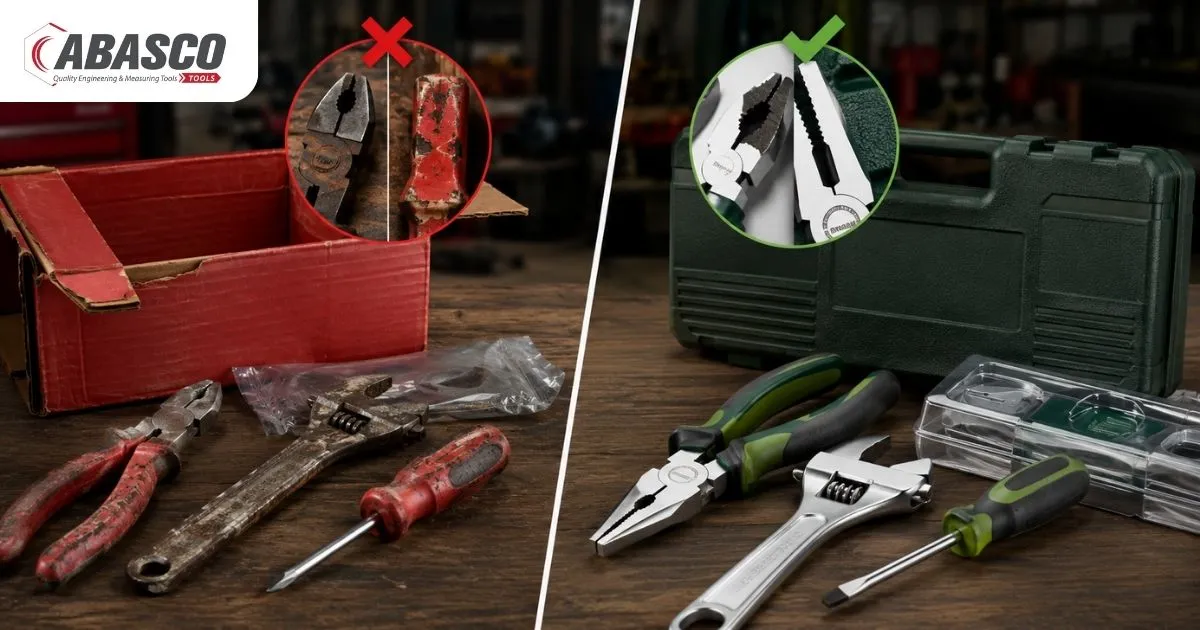
- Use tools and equipment according to their intended purpose and follow manufacturer guidelines. Inspect tools like chain wrench before use, and immediately report any damaged or malfunctioning equipment.
- Keep your work area clean, free of debris, and well-organized. This reduces the risk of trips, falls, and other accidents. Store tools and equipment properly when not in use.
- When using ladders, ensure they are in good condition, stable, and placed on level ground. To stay safe while using a ladder, make sure always to have three points of contact while climbing up or down. It’s also important to stay within the ladder’s maximum weight capacity.
When working on scaffolding, ensure it is appropriately erected, stable, and inspected regularly. Use guardrails, toe boards, and personal fall protection equipment when required. - If you see an accident or close call, you must inform your supervisor or safety representative immediately. By reporting such incidents, you improve safety measures and prevent future accidents.
Safety is essential to this job, and you should also look after it carefully. Each employee should actively participate in creating a safe working environment by following safety guidelines, reporting hazards, and looking out for the well-being of themselves and their colleagues. All employees must adhere to these tips and practices to maximize their productivity.
Related Posts








Recent Posts
Popular Posts

Categories
Tags
Join the League of Craftsmen
Contact UsGet In Touch
Find us on Facebook
