 Call Us:
  Mail Us:


Which Tool Brands Last Longest? Durability Testing Breakdown
 By Admin |
  April 21st, 2026
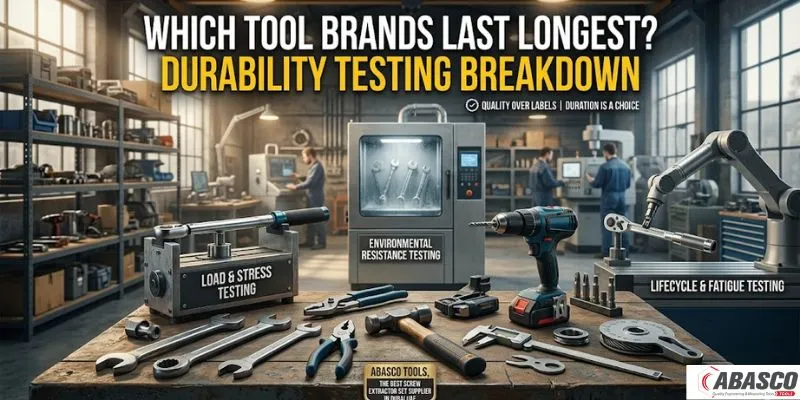
When professionals ask, “Which tool brand lasts the longest?”, they’re often expecting a clear winner. But real-world durability testing tells a different story. Longevity is less about brand names and more about materials, engineering, and usage conditions. In this blog, we break down how tool durability is actually tested and what truly determines which tools stand the test of time. For industries that require precision measurement tools, choosing a reliable sheave gauge supplier in Dubai, UAE, is equally important to ensure long-term performance and accuracy.
Understanding Tool Durability: It’s Not Just Branding
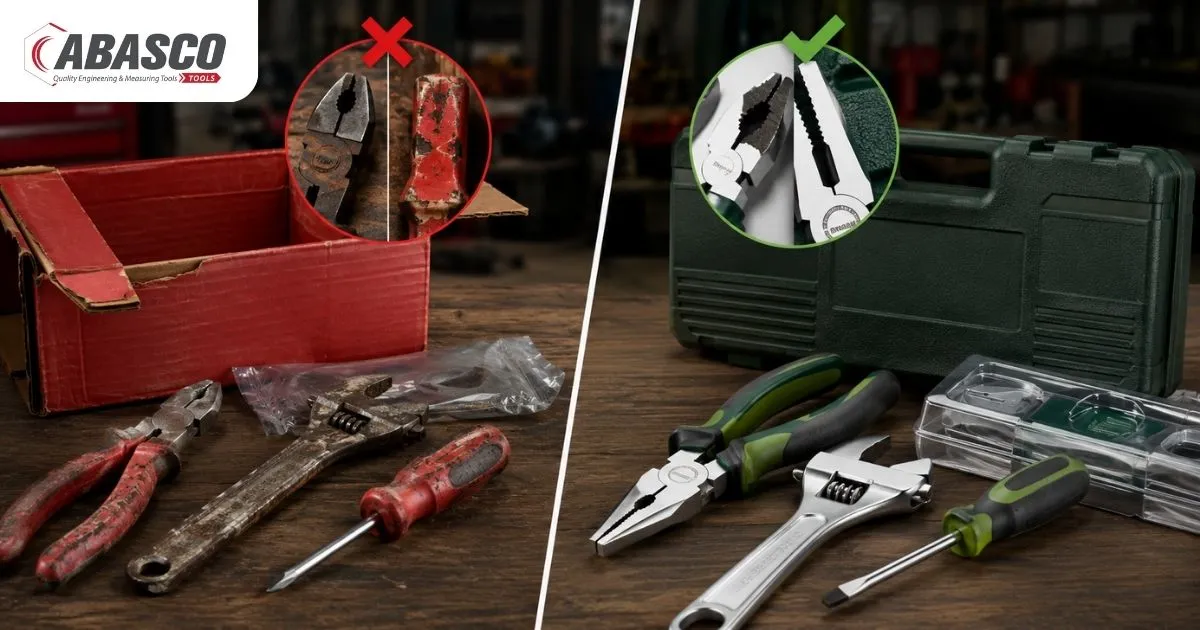
Tool durability is defined as how long a tool maintains performance under repeated stress, wear, and environmental exposure. Engineers measure this using standardized tests, not brand reputation. Research shows that tool life has an intense association with wear mechanisms like abrasion, deformation, and fatigue, which account for a large percentage of failures in industrial tools. This means even the best brand will fail early if subjected to harsh or improper conditions.
How Durability Testing Works
To truly understand which tools last longer, manufacturers and engineers rely on structured durability tests. These tests simulate real-world conditions and push tools to their limits. The following are some essential tests that help determine the durability and lifespan of tools.
Wear and Abrasion Testing
One of the most fundamental tests is wear and abrasion testing, which involves repeated cycles of friction or cutting. Over time, tools begin to lose material, edges dull, and performance drops. Cutting tools, for example, are therefore evaluated based on how long they retain sharpness, while gripping tools like spanners are checked for rounding or slippage. This test highlights how well a tool can maintain efficiency over continuous usage.
Load and Stress Testing
In this stage, tools are subjected to extreme force, whether through torque, pressure, or repeated impact. The goal is to identify how much stress a tool can handle before it bends, cracks, or fails. For instance, torque tools are assessed for calibration stability, while striking tools are tested for impact resistance. This distinguishes tools meant for heavy-duty professional use from those designed for lighter, occasional tasks.
Material Composition Analysis
Do you know that material quality plays a defining role in tool lifespan? Tools made from high-grade alloys such as chrome-vanadium steel or high-carbon steel are far more resistant to wear and deformation than lower-grade metals.
In fact, tools crafted from superior materials can last more than 10-20 years with proper care, while lower-quality alternatives may fail much sooner. This makes metallurgy one of the most critical factors in durability.
Environmental Resistance Testing
We are all aware that tools are often used in challenging environments, such as construction sites, workshops, and even marine environments. To evaluate their resilience, they are exposed to moisture, temperature changes, dust, and chemicals. This testing determines resistance to rust, corrosion, and thermal damage, which are key factors in long-term performance.
Lifecycle and Fatigue Testing
Lifecycle and fatigue testing is perhaps the most telling, involving repeated usage cycles over an extended period. Tools are used thousands of times, or even millions, to simulate years of wear. Research indicates that fatigue failure, caused by repeated stress, is one of the leading causes of tool failure. This type of testing thus reveals how long a tool can function reliably before performance begins to decline.
What Actually Determines a Tool’s Lifespan?
While testing methods provide insights, the real-world lifespan of a tool majorly depends on several interconnected factors. Here’s the list of some common ones among them.
Material Quality Comes First
No other factor can outweigh the importance of material when it comes to the lifespan of your tools. High-quality metals resist wear, maintain shape, and deliver consistent performance over time. Simply put, better materials equal longer life. Therefore, it is always advisable to source your tools from a reliable lathe chuck supplier in Dubai, UAE.
Manufacturing and Heat Treatment Matter
Many of us are unaware that the way a tool is made significantly impacts its durability. Therefore, advanced manufacturing techniques like forging, precision machining, and heat treatment enhance strength and resilience. Proper tempering and coating processes can improve durability by 30-40%, making tools more resistant to stress and environmental damage.
Simplicity of Design
Interestingly, simpler tools often last longer than tools with intricate designs. A hammer or spanner, with fewer moving parts, has a lower likelihood of failure than complex power tools or mechanisms. Complexity introduces more wear points, which naturally reduces lifespan over time.
Usage Conditions Play a Huge Role
A tool used daily in industrial conditions will naturally wear out faster than one used occasionally at home. Misuse, such as applying excessive force or using a tool for unintended purposes, can drastically shorten its life. In other words, how you use a tool matters just as much as what you buy.
Maintenance is the Silent Game-Changer
It’s unnecessary to cite that proper care can significantly extend a tool’s lifespan. Simple habits like cleaning after use, lubricating moving parts, and storing tools in dry conditions can prevent rust and performance degradation. Neglect, on the other hand, is one of the fastest ways to ruin even the highest-quality tools.
So, Which Tool Brands Last the Longest?
Here’s the honest, research-driven answer: there is no universal winner. Different brands excel in different categories, but the longest-lasting tools consistently share common traits:
- High-quality materials
- Strong and precise manufacturing
- Reliable design and ergonomics
- Consistent performance under stress
Professionals often judge tools not by brand names, but by how well they maintain grip, accuracy, and strength over time.
The Real Insight: Focus on Performance, Not Labels
If you truly want tools that last, shift your perspective immediately. Instead of asking “Which brand is best?” ask:
- What material is this tool made of?
- Is it designed for my level of usage?
- Can it handle repeated stress?
- Am I maintaining it properly?
Because in reality, durability is not something you buy; it’s something you choose and preserve.
Final Verdict
Finding a long-lasting tool isn’t about chasing a brand name. It’s all about understanding the factors that truly drive durability. From high-quality materials to smart design and consistent maintenance, every detail plays a role in extending a tool’s life. When you choose tools thoughtfully and care for them properly, they deliver dependable performance for years. So, contact Abasco Tools, the best screw extractor set supplier in Dubai UAE to invest in quality, prioritize performance over labels, and make every purchase count. It’s because the right tools aren’t an expense; they’re a long-term asset.
Related Posts
Recent Posts
Popular Posts

Categories
Tags
Join the League of Craftsmen
Contact UsGet In Touch
Find us on Facebook
