 Call Us:
  Mail Us:


What Are The Benefits of Using Pipe Clamps?
 By Admin |
  November 24th, 2023
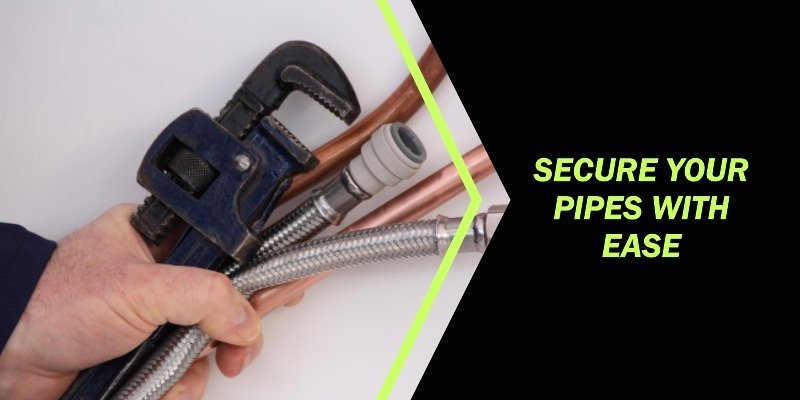
Many carpentry and building operations need the use of clamps. A clamp’s primary function is to securely hold two pieces together while being cut, shaped, or bonded. As you may already know, proper maintenance is crucial to ensure that all devices, including those requiring metal-cutting coolant-cutting oil suppliers in Dubai, UAE , function optimally. Similarly, it is essential to maintain pipe clamps regularly to ensure flawless performance.
In various installation circumstances, pipe clamps are straightforward fittings that are frequently employed as the support mechanism for suspended pipes. They can be applied to adjacent, vertical, or horizontal integrations. The most frequent uses for these channel support systems are in electrical, heating, plumbing, and drainage projects. In this discussion, we will highlight the numerous benefits of using pipe clamps in the market.
Benefits of Using Pipe Clamps
Secure Pipe Installation
The safest and most dependable way to fasten pipes to walls, ceilings, or other buildings is with pipe clamps. These clamps are crucial to any dependable plumbing setup because they keep pipes from sagging or sliding, protecting the integrity of the entire plumbing or piping system.
Can Installed Easily
Even for novices, installing and adjusting pipe clamps is a breeze. Typically, these clamps are made from a threaded rod and easily constructed and dismantled as needed. Pipe clamps can significantly increase the effectiveness of installation and maintenance procedures because of their intuitive design.
Maintained Easily
Pipe clamps are helpful because they make reaching particular areas of the piping system simple when maintenance or repairs are required. Pipe clamps allow you to rapidly undo tightening and perform repairs or changes without disassembling the system. You should be sure that you will be able to operate without any problems and fast and productively.
Reduced Vibrations
Even in commercial environments where fluid flow or machinery vibrations can result in severe damage, you can efficiently reduce pipe vibrations by employing pipe clamps. You can be sure that your system will be stable and free from vibration hazards if the pipes are securely fastened.
Adjustable
Because they are so adaptable and can easily fit various pipe sizes and positions, adjustable pipe clamps are necessary for every plumbing system. This flexibility guarantees that modifications may be performed with confidence and speed, whether during installation or maintenance, leading to a plumbing system that is more dependable and efficient.
Corrosion Resistance
Many pipe clamps are constructed from corrosion-resistant materials like galvanized or stainless steel. This corrosion resistance is essential, particularly in settings where pipes could be in contact with corrosive materials or moisture.
Compliance With Codes and Standards
Using pipe clamps is necessary to ensure compliance with building codes and industry standards. Securely fastening pipes is essential to maintaining safety and meeting regulatory requirements in various applications.
Simply put, pipe clamps are an excellent choice for securing and supporting pipes due to their remarkable stability, versatility, ease of installation, and cost-effectiveness. These benefits make them a trendy choice for various settings. But ensure you should protect yourself with PU-coated gloves in UAE for your safety.
Related Posts


Recent Posts
Popular Posts

Categories
Tags
Join the League of Craftsmen
Contact UsGet In Touch
Find us on Facebook
