 Call Us:
  Mail Us:


Safety First: 20 Tool-Handling Rules Every Worker Must Follow
 By Admin |
  February 10th, 2026
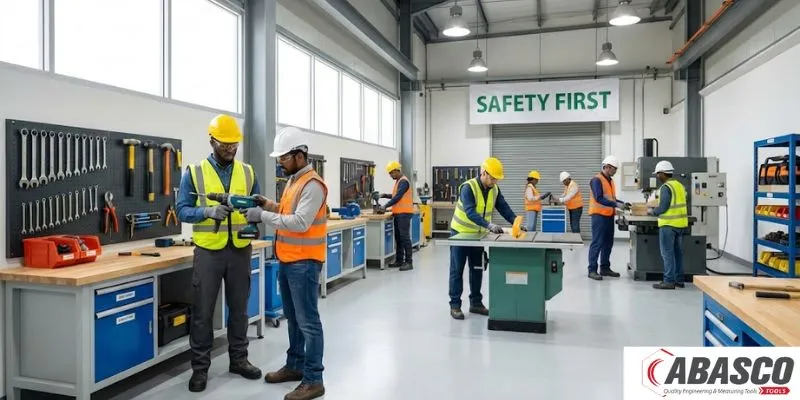
In every industry, from construction sites and factories to workshops and warehouses, tools make work possible, faster, and more precise. Yet the same tools can become dangerous when handled carelessly. Injuries caused by improper use of tools are among the most common workplace accidents, often leading to lost productivity, medical costs, and long-term harm. Hence, following clear, practical safety rules is not just a legal need; it is a responsibility every worker shares. Here is a list of twenty essential tool-handling rules to protect both individuals and teams on the job. If you’re looking forward to buying high-quality tools at a competitive price, get in touch with a renowned adjustable wrench supplier in Dubai, UAE, now.
Why Tool Safety Matters
A single moment of negligence using the wrong tool, skipping inspection, or ignoring protective gear can cause severe injuries such as cuts, fractures, burns, or eye damage. In such situations, safe tool practices are necessary. It’s because safe tool practices reduce risks, improve efficiency, and build a culture where everyone looks out for one another.
20 Must-Follow Tool-Handling Rules
Below are the twenty essential tool-handling safety rules that every worker must follow at their workplace.
Use the Right Tool for the Job
Do you know that improvising with the wrong tool can increase the chance of breakage and injury? Hence, always select equipment designed specifically for the task.
Inspect Tools Before Use
Inspecting tools before use is one of the most significant tool-handling rules every worker must follow. Always check for cracks, loose parts, frayed cords, or rust. Don’t forget to repair or replace the tools immediately if necessary.
Wear Proper Personal Protective Equipment (PPE) for Tool Handling
Wearing the right PPE and safety gear is necessary before using any industrial tool. Safety gear, such as gloves, safety goggles, helmets, and protective footwear, serves as the first line of defense against accidents.
Keep Tools Clean and Dry
Grease, oil, or moisture can cause slips and reduce control, especially with hand tools. Hence, it’s important to keep the tools clean and dry.
Maintain a Firm Grip
When you’re using any professional tools, always ensure the handles are secure and non-slippery. A solid grip always prevents tools from flying out of your hands.
Disconnect Power Tools When Not in Use
Disconnecting power tools when not in use is a mandatory step for workplace injury prevention. Unplugging or removing batteries prevents accidental startup during adjustments or transport of the tools.
Store Tools Safely After Use
Many workers often ignore storing the tools in a proper way. After use, return tools to designated storage areas to avoid clutter, tripping hazards, or unauthorized use.
Follow Manufacturer Instructions
We all know that every tool has specific operating guidelines. Ignoring them can lead to misuse and mechanical failure.
Avoid Loose Clothing
It’s always vital to avoid loose clothing while using industrial tools. It’s because loose clothing can get caught in moving parts, especially when using drills, saws, or rotating equipment.
Keep Work Areas Well Lit
Poor visibility often increases the likelihood of mistakes and injuries. Hence, keeping the work area well-lit is essential when handling industrial tools.
Secure the Workpiece
Are you using your hands while holding different materials? In that case, your assumption may not be correct. Instead of your hands, always use clamps or vices to hold materials steady.
Never Carry Tools by the Cord
Many of us are unaware that carrying tools by the cord can damage wiring and create electrical hazards. Hence, always be careful and never carry tools by the cord.
Pass Tools Safely
Whenever you’re working with industrial tools, always pass them directly to coworkers. Never throw or slide the tools across surfaces, as it can cause serious injuries.
Stay Focused and Alert
Fatigue, distractions, or rushing often lead to careless errors. Hence, it’s necessary to stay alert and focused while using any tool.
Use Safety Features & Guards
Many of us are often unaware that machine guards and safety switches are installed for protection. Hence, it’s better not to remove or bypass them.
Keep Sharp Tools Sharp
What most of us don’t know is that dull blades need more force and are more likely to slip. Hence, it’s vital to keep sharp tools always sharp.
Report Faulty Tools Immediately
Why is reporting faulty tools necessary? It’s because prompt reporting prevents others from unknowingly using unsafe equipment.
Avoid Using Tools in Hazardous Conditions
Hazardous conditions such as wet environments, unstable surfaces, or extreme temperatures can increase risks. Hence, it’s important to avoid using tools in hazardous conditions.
Receive Proper Training
Having the proper training is crucial when you’re working with industrial tools. Hence, only trained personnel should operate specialized or heavy equipment.
Practice Good Housekeeping
A tidy workspace reduces accidents and ensures tools are easy to find and use safely. Hence, it’s vital to practice good housekeeping.
Building a Safety-First Culture
We all know that safety rules are most effective when they become habits rather than obligations. Hence, supervisors should encourage open communication about hazards, conduct regular training sessions, and lead by example. Workers, in turn, should feel empowered to pause work if something seems unsafe.
Conclusion
Safe tool handling is more than a routine; it is a commitment to protecting lives, preventing costly accidents, and maintaining peak productivity every single day. When workers consistently follow these essential rules, they not only safeguard themselves but also create a stronger, more reliable workplace for everyone. So, don’t wait for an incident to take safety seriously and equip your team with dependable, high-quality tools designed for performance and protection. Choose Abasco Tools, one of the best helicoil thread repair kits suppliers in Dubai UAE to ensure your workforce operates with confidence, precision, and safety at the forefront. Invest in the right tools today, because a safer workplace starts with smarter choices.
Related Posts
Recent Posts
Popular Posts

Categories
Tags
Join the League of Craftsmen
Contact UsGet In Touch
Find us on Facebook
