 Call Us:
  Mail Us:


Most Common Tool Mistakes and How to Avoid Them
 By Admin |
  May 16th, 2026
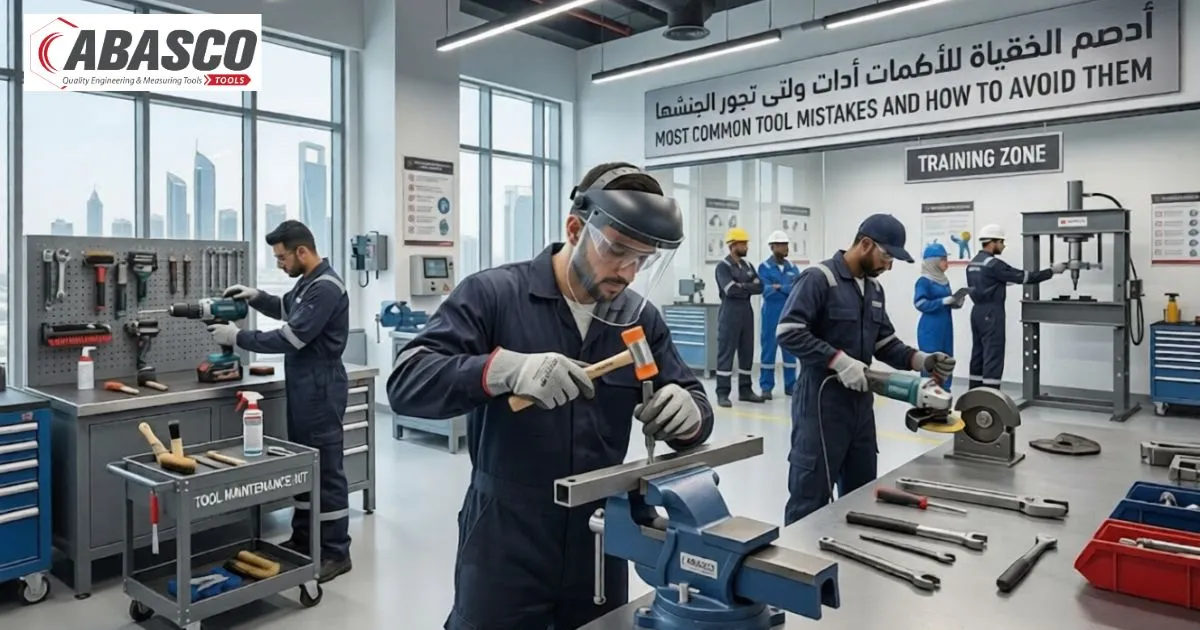
Tools are the backbone of every industry. Whether it is construction, woodworking, automotive repair, electrical work, or home improvement, the right tools help professionals complete tasks faster, safer, and more accurately. However, even the best-quality tools can become dangerous or ineffective when used incorrectly. Surprisingly, many workplace accidents and costly project failures stem from avoidable tool-related mistakes.
Therefore, choosing products from a trusted hand tools supplier in UAE also plays a major role in ensuring workplace safety, durability, and operational efficiency. Understanding the most common tool-related errors and learning how to avoid them can improve safety, increase productivity, and extend the life of equipment. In this blog, we will explore the most frequent tool mistakes people make and the practical ways to prevent them.
Common Tool Mistakes You Should Never Ignore
Even experienced professionals and DIY enthusiasts can make mistakes while handling tools. Here’s the list of some of the most common tool mistakes, along with practical ways to avoid them for safer, smarter, and more efficient work.
Using the Improper Tool for the Job
One of the most common mistakes is choosing the wrong tool for a task. Many people attempt to substitute tools to save time, but this often leads to damaged equipment, poor results, or injuries.
For example, using a screwdriver instead of a chisel or pliers instead of a wrench may seem harmless, but it can damage the tool and reduce work efficiency. In some cases, improper tool usage can even cause severe accidents.
How to Avoid It
- Always use the tool designed for the task.
- Read the manufacturer’s instructions before use.
- Keep a properly organized toolbox so the correct tool is easy to find.
- Invest in versatile yet purpose-built tools for different applications.
Ignoring Tool Maintenance
Many users neglect regular maintenance until a tool stops working completely. Therefore, dirt buildup, rust, dull blades, and worn-out parts can significantly reduce performance and increase safety risks. Poorly maintained tools also require more effort to operate, which can lead to fatigue and inaccurate work.
How to Avoid It
- Clean tools after every use.
- Lubricate moving parts regularly.
- Sharpen blades and cutting edges when needed.
- Store tools in dry, moisture-free environments.
- Schedule routine inspections for power tools and heavy equipment.
Remember, proper maintenance not only enhances performance but also extends the lifespan of valuable tools.
Failing to Wear Safety Gear
Another major mistake is using tools without proper protective equipment. Many tool-related injuries occur because workers ignore basic safety precautions. In such situations, flying debris, sparks, dust, and sharp edges can cause eye injuries, cuts, burns, and respiratory issues.
How to Avoid It
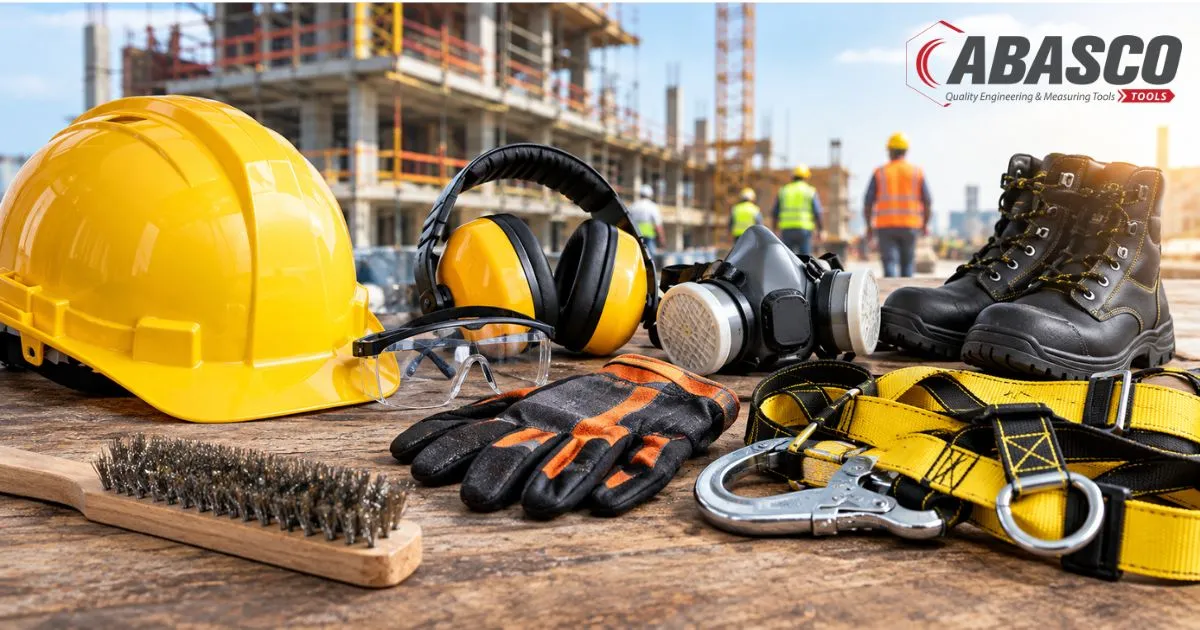
Always wear the right personal protective equipment (PPE), such as:
- Safety goggles
- Gloves
- Ear protection
- Dust masks
- Steel-toe boots
Using PPE greatly reduces the risk of workplace injuries and creates a safer working environment.
Improper Use of Power Tools
Power tools are extremely efficient, but they can also be dangerous if handled carelessly. Common mistakes include operating tools with damaged cords, bypassing safety guards, or using excessive force. Many users also fail to disconnect power tools before changing accessories or making adjustments.
How to Avoid It
- Inspect power tools before every use.
- Never remove safety guards.
- Disconnect the power supply before maintenance.
- Follow operating guidelines carefully.
- Avoid distractions while using machinery.
- Proper training and awareness are essential when working with power tools.
Using Damaged Tools
Some people continue to use cracked handles, loose components, or broken cords instead of immediately replacing or repairing tools. This can be extremely dangerous. A damaged hammer head, for instance, may fly off during use and cause serious injury. This is why purchasing durable equipment from a trusted bench vice supplier in Dubai UAE, is essential for ensuring both safety and long-term reliability in the workplace.
How to Avoid It
- Inspect tools regularly for damage.
- Replace defective parts immediately.
- Stop using tools that show signs of wear or malfunction.
- Purchase tools from reliable manufacturers for better durability.
- Safety should always take priority over convenience.
Lack of Proper Training
Even high-quality tools can become hazardous in untrained hands. Many accidents occur because users do not understand correct operating techniques or safety procedures.
How to Avoid It
- Provide proper training before tool operation.
- Encourage workers to read manuals and safety instructions.
- Conduct regular safety workshops and demonstrations.
- Supervise inexperienced users until they gain confidence.
- Knowledge and preparation are key to reducing tool-related risks.
The Conclusion
Avoiding common tool mistakes is essential for improving safety, efficiency, and long-term performance. From proper maintenance to correct handling techniques, small precautions can make a huge difference in every project. So, if you are looking for durable, high-performance tools designed for reliability and precision, choose Abasco Tools, one of the best chisels and punches suppliers in Dubai UAE. Explore our premium range of professional tools and take your workmanship, safety, and productivity to the next level.
Related Posts



Recent Posts
Popular Posts

Categories
Tags
Join the League of Craftsmen
Contact UsGet In Touch
Find us on Facebook
