 Call Us:
  Mail Us:


How to Start a Home DIY Repair Business: Tools, Cost & Skills Needed
 By Admin |
  May 21st, 2026
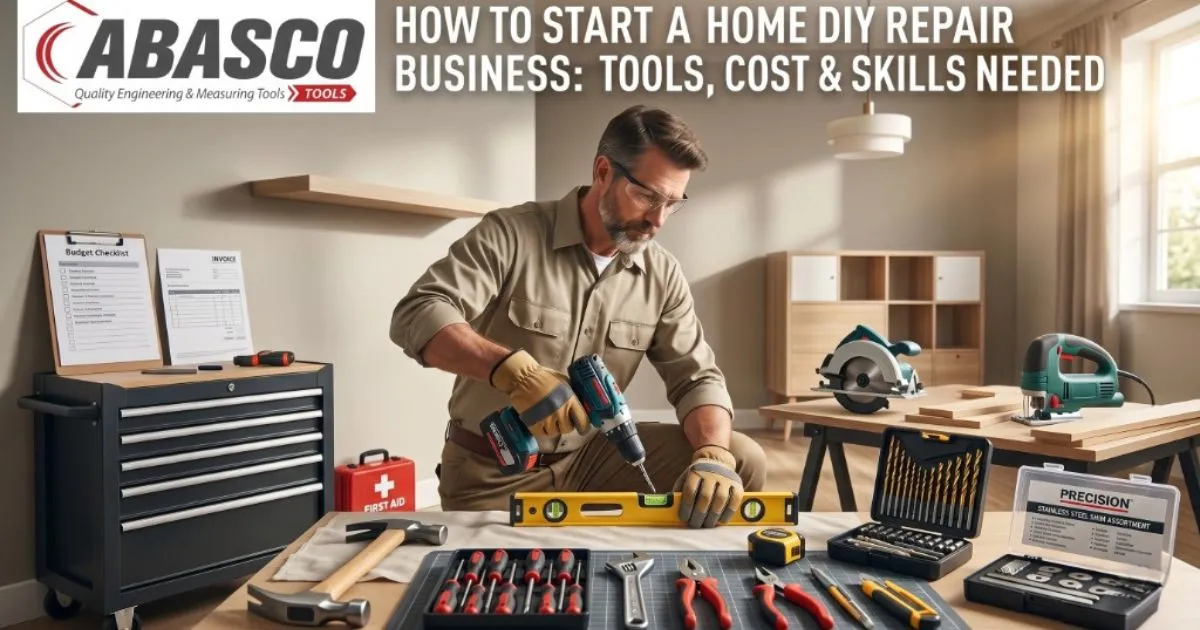
The home repair industry is booming as more homeowners seek affordable solutions for maintenance, installations, and minor renovations. Therefore, starting a home DIY repair business can be a profitable venture if you possess practical repair skills, problem-solving abilities, and a willingness to build trust with customers. With relatively low startup costs and growing demand, this business offers an excellent opportunity for skilled individuals to transform their expertise into a steady income source.
Industry reports show that handyman and home repair businesses can often start with investments of $2,000- $10,000, depending on equipment, licensing, and marketing needs. Therefore, partnering with a reliable drill bit set supplier in Dubai can also help professionals access durable tools required for efficient repair and installation work. In this blog, we will discover how to turn DIY skills into a profitable business with the right home repair tools, smart budgeting, and essential repair expertise.
Understand the Scope of Your DIY Repair Business
Before launching the home improvement business, decide what services you will offer. Most successful home DIY repair businesses begin with common household repairs such as:
- Furniture assembly
- Wall painting and patching
- Door and window repairs
- Faucet replacement
- Shelving installation
- TV mounting
- Minor carpentry work
- Tile repairs
- Basic electrical fixture installation
Starting with a focused service list can help you build confidence and reputation while avoiding highly technical jobs that may require advanced licenses.
Must-Have Skills to Build a Profitable Home Repair Business
A successful DIY repair entrepreneur needs more than just technical knowledge. Why? It’s because customers expect reliability, professionalism, and quality artistry. Some of the most important skills for developing a profitable home repair business include:
- Technical Expertise: Basic knowledge of carpentry, plumbing, painting, and home maintenance is highly valuable.
- Problem-Solving Skills: Quick and practical solutions can help handle unexpected repair challenges efficiently.
- Effective Communication: Clear discussions about pricing, timelines, and repairs improve customer satisfaction.
- Time Management: Proper scheduling helps maximize productivity and profits.
- Business Knowledge: Understanding budgeting, invoicing, and marketing supports long-term business growth.
Essential Tools Every DIY Repair Business Must Have
To launch a successful home DIY repair business, you do not need a massive workshop or high-end machinery. Starting smart with reliable, multi-purpose tools can help you handle a wide range of repair jobs efficiently while keeping your startup costs under control. As your customer base grows, you can gradually upgrade to more advanced equipment. Here’s the list of essential repair tools every beginner should have to deliver professional-quality repair services with confidence and efficiency.
Basic Hand Tools
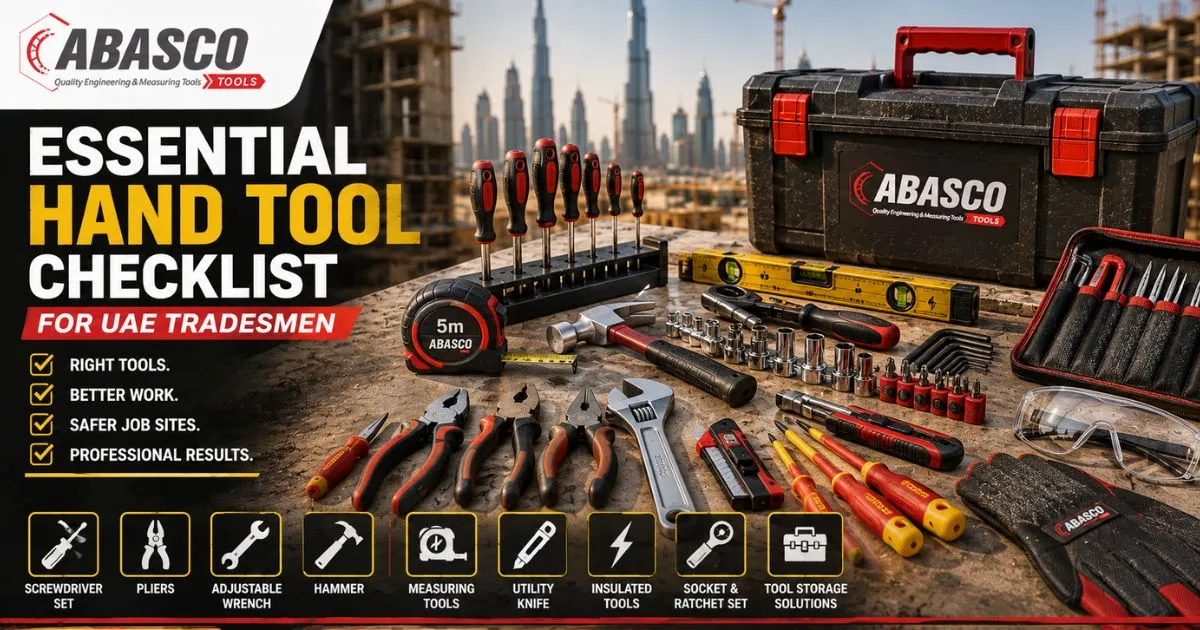
These everyday essentials form the backbone of most repair tasks:
- Hammer
- Screwdriver set
- Adjustable wrench
- Pliers
- Utility knife
- Measuring tape
- Spirit level
Power Tools That Save Time
Power tools improve speed, accuracy, and productivity on larger projects:
- Cordless drill
- Circular saw
- Jigsaw
- Oscillating multi-tool
- Sander
Safety Equipment You Should Never Ignore
Do you know that professionalism always starts with safety? Therefore, proper protective gear helps prevent injuries and builds customer confidence.
- Work gloves
- Safety glasses
- Dust masks
- Ear protection
- First-aid kit
Additional Equipment for Professional Results
These supporting tools help maintain organization and improve work quality:
- Ladders
- Tool storage boxes
- Drop cloths
- Caulking gun
- Hardware assortment kits
- precision brand stainless steel shim
Estimated Startup Costs
One of the biggest advantages of starting a home DIY repair business is the relatively low investment required. If you already own basic tools and a vehicle, you can often launch your business for under $3,000.
- Basic tools: $500–$2,000
- Safety equipment: $100–$300
- Business registration: $100–$500
- Insurance: $500–$1,200 yearly
- Marketing materials: $100–$500
- Website & branding: $200–$1,000
- Transportation setup: $500–$5,000
How to Find Your First Customers
Strong marketing can help your DIY repair business grow faster. So, start by building local visibility and creating trust within your community.
- Create social media pages and a simple website
- Use flyers and local community listings
- Encourage customer referrals and reviews
- Collaborate with real estate agents and property managers
- Showcase completed projects online to attract new clients
The Conclusion
Starting a home DIY repair business can be a smart and rewarding way to turn practical skills into a profitable career. With the right tools, proper planning, and a strong focus on quality service, you can steadily build a trusted reputation and loyal customer base. Therefore, investing in durable, reliable equipment from trusted HI-Lo welding gauge suppliers in Dubai UAE, such as Abasco Tools, can help you work more efficiently and deliver professional results on every project. Whether you are just starting or planning to expand your services, choosing high-quality tools is the first step toward long-term business success. So why wait? Contact us today.
Related Posts


Recent Posts
Popular Posts

Categories
Tags
Join the League of Craftsmen
Contact UsGet In Touch
Find us on Facebook
